Category: Macroeconomics

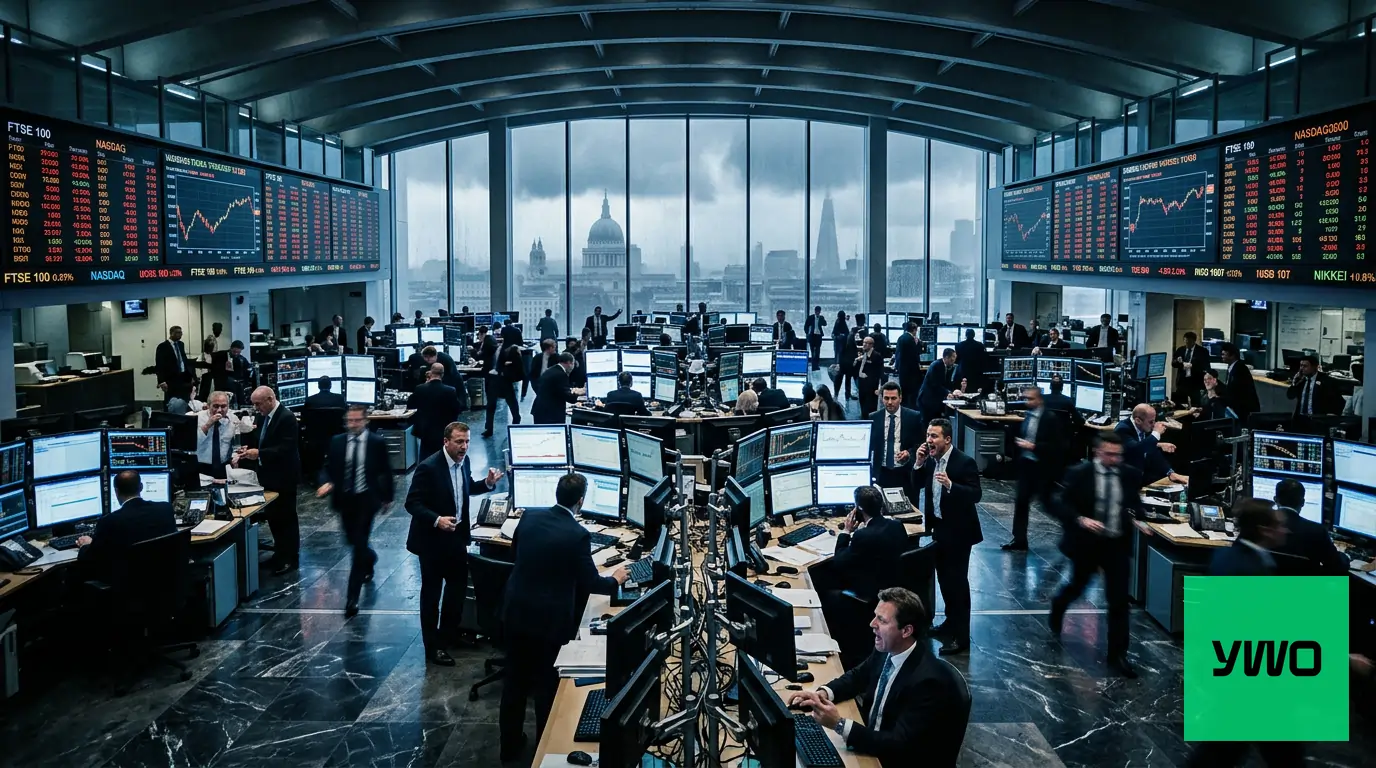
  • FTSE 100 and European Stocks Drop as Burnham’s Path to Parliament Reprices UK Political Risk

    FTSE 100 and European Stocks Drop as Burnham’s Path to Parliament Reprices UK Political Risk

    The fifth consecutive daily decline in sterling says it plainly: Markets appear to be repricing UK political risk, with gilt yields and sterling remaining under pressure . CNBC’s Joseph Wilkins reported that the FTSE 100 opened 0.7% lower on Friday morning, pulled down by an ongoing political uncertainty surrounding Prime Minister Keir Starmer, which some market participants associate with concerns around future fiscal policy direction. 

    The mechanism is straightforward: Manchester Mayor Andy Burnham now has a route to parliament after Labour MP Josh Simons announced his resignation from the Makerfield seat, clearing the path for a by-election. Burnham hasn’t declared yet, and a win is not guaranteed — Reform UK has real momentum in that kind of constituency — but the market doesn’t wait for declarations.

    Some analysts and market participants have suggested that speculation around a potential leadership shift could raise questions about future fiscal policy direction and borrowing expectations . The pound fell 0.46% to $1.3342, its fifth straight losing session, according to CNBC.


    Friday’s European Open by the Numbers

    The UK selloff didn’t stand alone. Every major European index opened in the red, tracking an ugly Asian session:

    IndexMove at OpenSource
    FTSE 100-0.7%CNBC
    DAX-0.9%CNBC
    CAC 40-0.8%CNBC
    Stoxx 600-0.7%CNBC
    Kospi-3%+CNBC
    Nikkei 225-1.1%CNBC

    South Korea led the damage. The Kospi fell more than 3%, retreating from a recent record high — a sharp reversal that shook confidence in the momentum that had been building across Asia-Pacific. Japan’s Nikkei shed 1.1%. Europe walked into that sentiment and compounded it with its own domestic headwinds.

    Sterling’s Failure to Catch a Bid Is the Tell

    The pound’s underperformance is the sharpest signal here. Sterling has remained under pressure across five consecutive sessions, even during periods of broader market stabilisation . Some analysts have compared the move to previous periods where markets focused closely on fiscal policy credibility and borrowing expectation . Burnham’s political positioning, described by CNBC’s report as leaning more to the left than Starmer, is enough for investors to get ahead of any actual policy announcement. The speculation alone has been sufficient to drive the move.

    For FTSE 100 traders, the currency dimension cuts two ways. The index’s heavy weighting toward dollar-earning multinationals — miners, energy names, consumer staples with global revenues — tends to receive a mechanical translation boost when sterling weakens. That buffer may have limited the FTSE’s losses relative to the DAX’s 0.9% drop on Friday, even as domestically exposed mid-cap names likely bore a more direct hit. The Investing.com coverage of the session noted the Labour turmoil as a primary drag alongside external macro factors.

    The US Inflation Print Adds a Second Front

    The political story would be enough, but European markets are also absorbing a genuinely hostile US inflation backdrop. April’s producer price index came in at a sharply elevated annual gain — the largest since December 2022 — after a monthly increase that represented the biggest single-month jump since March 2022, per CNBC. That blew past the 0.5% consensus estimate and followed an upwardly revised 0.7% March reading. A day earlier, the consumer price index had come in at 3.8% year-on-year, with core at 2.8% — well above the Fed’s 2% target.

    The combined print resets rate expectations. With core CPI running at 2.8% and PPI significantly elevated on an annual basis, markets have reduced expectations for near-term rate cuts. , particularly with energy prices elevated by the Iran conflict and tariffs still feeding through the supply chain. Markets in Frankfurt and Paris are repricing European rate trajectories partly in response — if the Fed stays on hold, the ECB’s room to move independently becomes more contested, and European growth proxies suffer.

    The DAX’s 0.9% decline, the steepest of the major European indices on Friday, reflects that dynamic. German industry is exposed to global trade conditions and rate-sensitive capital goods demand in a way that French or UK blue chips are not to the same degree.

    The Counter-Case: Reform UK and the By-Election Wildcard

    The scenario the market is pricing carries a real hole in it. Burnham still has to win Makerfield, and Reform UK’s recent momentum in English by-elections means that’s far from certain. A A different political outcome could lead markets to reassess some of the recent risk premium reflected in sterling and gilt pricing . The market may be getting ahead of itself on the leadership trajectory, pricing a Burnham premiership before he’s even secured a parliamentary seat.

    The US-China summit wrapping up Friday also represents a genuine upside catalyst that the macro community has arguably underweighted in today’s sell-off. Both sides agreed this week on keeping the Strait of Hormuz open, per CNBC. Any progress on tariffs or a broader trade framework coming out of Beijing could move risk appetite sharply, giving Europe a reason to recover off the lows into the close.

    What’s Ahead

    The immediate calendar centres on whether Burnham formally declares his candidacy for the Makerfield seat and any further developments from the Beijing summit. On the macro side, markets remain focused on the Federal Reserve’s response to the now-entrenched inflation overshoot — the FOMC calendar and any Fed communications in the days ahead will determine whether the dollar’s rate support stays intact, which in turn keeps pressure on sterling. UK political developments are now the primary near-term driver of the FTSE’s direction and should be tracked via the Bank of England’s communications for any sovereign-risk spillover into gilt markets.


    Risk Disclaimer: Trading CFDs involves substantial risk and may result in the loss of your invested capital. CFDs are complex instruments and come with a high risk of losing money rapidly due to leverage. You should consider whether you understand how CFDs work and whether you can afford to take the high risk of losing your money. Past performance is not indicative of future results. This content is for informational and educational purposes only and does not constitute investment advice.


  • Beijing Summit Delivers Symbolism — The September Date Is the Real Trade Signal

    Beijing Summit Delivers Symbolism — The September Date Is the Real Trade Signal

    Trump’s departure from Beijing on Friday without a signed trade framework is not a failure — it’s a deliberate deferral, and some analysts may interpret it as a deliberate deferral rather than a failed negotiation .

    The headline deliverables announced at Zhongnanhai were real but narrow: China agrees to buy U.S. oil, purchase a significant number of Boeing jets, and withhold military equipment from Tehran. What was conspicuously absent was any announcement on tariffs, technology export controls, or a formal trade structure. Market participants are likely to focus closely on whether the proposed September 24 White House visit is formally confirmed 

    The framing from Xi’s side was deliberately broad. Chinese state media reported that both leaders agreed to “strategic stability” as a framework for the next three years, according to CNBC’s Evelyn Cheng. That kind of language is diplomatic scaffolding — it signals the relationship has a structure without committing to any specific outcome.

    Ryan Fedasiuk of the American Enterprise Institute put the ambiguity plainly, as cited by Cheng: “Frankly, a lot will be left on the tree to ripen further.” That’s the most important sentence out of Beijing this week.


    The Boeing Deal Is Real; the Oil Commitment Is Structural

    The proposed Boeing purchase was among the more tangible announcements from the summit, and one with immediate equity implications. Boeing has been burning through reputational and financial capital for years; a purchase commitment of that scale from China — even if spread over years and subject to geopolitical backsliding — could influence sentiment around Boeing’s order pipeline .

    Traders in BA should note that this is an announced intention, not a signed contract, and the history of U.S.-China aerospace deals shows significant slippage between headline and delivery.

    The oil agreement carries different weight. China buying U.S. crude could offer additional support to U.S. production demand dynamics  and has historically pressured Gulf producer revenues at the margin. More immediately, Trump’s claim that Xi wants the Strait of Hormuz “open and free of tolls” — if operationalised —could reduce some of the geopolitical risk premium currently reflected in Brent pricing .

    Any sustained softening of the Iran supply narrative could push Brent lower, which would relieve cost pressure on global shipping and aviation names but hit energy-heavy indices.


    Asian Equity Volatility Points to an Unresolved Market Read

    Asian markets on Friday morning told the full story of the summit’s ambiguity, as Katie Foley reported from London. The South Korean Kospi swung from a fresh record high above 8,000 to a 6% loss within hours. The rest of the region was solidly in the red by Friday’s open, with European and U.S. futures tracking lower. That kind of intraday reversal is not a sentiment read on the summit itself — it reflects the broader reality that some analysts suggested markets may have been positioned for more substantial trade progress .

    The HSI is the most direct barometer here. Hong Kong equities carry the dual exposure of being sensitive to both Beijing’s policy posture and global risk appetite.

    A summit that produces a three-year “strategic stability” framework and a September meeting date may not be sufficient on its own to support a sustained HSI rally. . The diplomatic tone is positive; the substance is thin enough to keep the index rangebound until the September visit either materialises or doesn’t.

    For USD/CNY, the read is similarly nuanced. The absence of tariff rollbacks or new punitive measures means no immediate pressure on the yuan in either direction. But the oil-purchase agreement adds a marginal dollar-demand element from the Chinese side, which could provide modest support for the USD against a basket in the near term.

    Whether that holds depends on whether the oil deal has any implementation timeline attached — which the source material does not specify.


    The Iran Thread Is the Wildcard

    Trump said China agreed to help with Iran negotiations and specifically not to supply military equipment to Tehran. That’s geopolitically significant and harder to price than the Boeing headline. U.S.-Iran nuclear talks have been stalled, and Chinese diplomatic leverage over Tehran is material.

    If Beijing follows through — and the “if” is substantial — it reduces one tail risk in the Strait of Hormuz, which markets could interpret as reducing some geopolitical premium in crude prices. 

    For SPX, the Iran dimension cuts both ways. Reduced Hormuz related disruption risk could support broader growth sentiment through lower energy cost pressures. . But traders should weight the probability that this commitment gets operationalised versus remaining a summit talking point. It is an announced intention in a Fox News interview, not a joint communiqué.


    The September Date Sets the Next Re-Pricing Window

    Hai Zhao, director of international political studies at the Chinese Academy of Social Sciences, told CNBC’s Evelyn Cheng that the September 24 visit “will definitely be a state visit” — framing it as a reciprocal obligation given Trump’s Beijing trip. He noted Xi could also travel through New York, timed around the UN General Assembly earlier in September.

    The APEC meeting in Shenzhen in November and the G20 in Florida in December provide two further contact points if September slips.

    For traders, this calendar is the key structure. The market has a series of event horizons — September, November, December — at which trade and geopolitical pricing may reset. Between now and September 24, the deal flow from this week’s summit will either show evidence of implementation or quietly fade. The Boeing order and the oil commitment will be the first tests of whether Beijing’s verbal agreements have operational follow-through.

    Markets may remain rangebound pending further implementation details or diplomatic developments . . A confirmed Xi visit to Washington could improve broader market sentiment ; a quiet cancellation or indefinite postponement could lead markets to reassess the significance of this week’s diplomatic progress 


    The Bear Case Has Not Left the Room

    The asymmetry here favours caution. The summit was diplomatically successful by any reasonable measure — the imagery from Zhongnanhai, the state dinner, the flag-waving ceremony outside the Great Hall of the People all point to a relationship being managed carefully by both sides. But markets already knew this trip was happening. What traders did not know was whether it would produce structural change on tariffs or technology controls. It did not.

    Some analysts may view the summit as having raised expectations without delivering major structural policy changes. . The risk, as Katie Foley noted in her CNBC Daily Open published Friday, is that “uncertainty remains” — which is a polite way of saying the market has a long wait and limited new information to trade on.

    Additionally, bipartisan congressional opposition to any U.S. auto market concessions — flagged in the same CNBC report — shows the domestic political ceiling on how far Trump can go in any eventual deal. That constraint matters for the September meeting as much as it did for this one.


    What’s Next

    The next hard catalyst for USD, CNY, SPX, and HSI on this story is whether Beijing formally confirms Xi’s September 24 Washington visit — watch for Chinese state media and the Ministry of Foreign Affairs. Beyond that, APEC in Shenzhen and the G20 in Florida are the remaining contact points on the calendar per CNBC’s Evelyn Cheng. For broader macro context, monitor the Investing.com Economic Calendar for upcoming U.S. and Chinese trade data releases, which will be the first empirical test of whether this week’s commitments affect actual flows.


    Risk Disclaimer: Trading CFDs involves substantial risk and may result in the loss of your invested capital. CFDs are complex instruments and come with a high risk of losing money rapidly due to leverage. You should consider whether you understand how CFDs work and whether you can afford to take the high risk of losing your money. Past performance is not indicative of future results. This content is for informational and educational purposes only and does not constitute investment advice.

  • UK Gilts Hold 5.095% as Starmer Hangs On — For Now

    UK Gilts Hold 5.095% as Starmer Hangs On — For Now

    The UK 10-year gilt at 5.095% is the number that explains Wednesday’s entire session: not far enough below Tuesday’s generational high to declare the crisis over, not far enough above it to trigger the next leg of selling. The market is in a holding pattern that tracks Keir Starmer’s political pulse minute by minute — and by mid-afternoon in London, that pulse was anything but steady.

    Tuesday saw the 10-year gilt add 9 basis points to hit its highest level since 2008. Wednesday opened with a partial reversal — yields fell 2 to 6 basis points across durations in morning trade as Starmer appeared to stabilise — then gave back most of those gains after the BBC reported that Health Secretary Wes Streeting’s allies expected him to launch a formal leadership challenge as early as Thursday, according to CNBC’s Holly Ellyatt. By 12:47 p.m. London time, the benchmark 10-year gilt was trading less than 1 basis point lower at 5.095%, per CNBC reporting. Yields on 20- and 30-year gilts, per the same source, swung into positive territory as the longer end of the curve bore the brunt of the renewed uncertainty.


    The Streeting Meeting That Lasted 17 Minutes

    The morning had briefly offered Starmer a lifeline. King Charles III delivered the State Opening of Parliament and King’s Speech on Wednesday — a grand constitutional moment that Starmer’s team clearly hoped would shift the news cycle. Before it began, the Prime Minister held a meeting with Streeting that reportedly lasted only 17 minutes. Streeting had reportedly requested a private meeting on Tuesday and been refused. That the eventual meeting clocked in at roughly the length of a lunch queue tells you something about how much ground the two men closed.

    The headline count as of Wednesday morning: 93 Labour MPs calling for Starmer to resign, 158 backing him to remain, according to Holly Ellyatt at CNBC. Those numbers technically favour Starmer. But with the BBC reporting a potential challenge as early as Thursday, the gilt market isn’t treating them as decisive.

    Neil Wilson, investor strategist at Saxo UK, framed it precisely:

    “The King’s Speech may see a pause in the plotting, but bond markets are clearly on edge, and I would not be surprised if Cabinet resignations begin once the King is finished, or tomorrow morning.” — CNBC


    What the Bond Market Is Actually Pricing

    The gilt market’s direction of travel under political stress has been consistent: investors have treated Starmer and Chancellor Rachel Reeves as the floor for fiscal discipline. Any credible threat to their tenure re-prices that floor lower. As Ellyatt reported, yields sold off in previous bouts of uncertainty over their political futures — Wednesday’s pattern simply continued that relationship in real time, with the intraday oscillations mapping almost perfectly to each news cycle update on Streeting.

    Jim O’Neill, former chairman of Goldman Sachs Asset Management and former UK Treasury minister, went further on CNBC’s Squawk Box Europe. He identified four structural issues the gilt market is effectively demanding the government address: abolishing the triple lock on state pensions, reforming welfare payments, overhauling housing taxation, and arresting the compounding growth in NHS expenditure. “It’s just not sustainable,” he told CNBC. On the political theatrics surrounding the leadership question, he was equally direct: “The leadership of the country is being treated like a game show. The Tories went down this disastrous path, now Labour want to try it too.”

    O’Neill’s point about the government’s social-media fixation matters for traders: a government managing by the 24-hour news cycle cannot credibly commit to the multi-year fiscal consolidation the bond market is demanding. That credibility gap is now priced into the front end.


    The 2-Year Signals Something Different to the 30-Year

    By 1 p.m. London time, the 2-year gilt was down 4 basis points while longer-term bonds were marginally higher, per CNBC’s European markets coverage. That divergence — front-end calming while the back end stays offered — suggests the market is not simply buying a “Starmer survives” narrative. The front end may reflect some relief that an immediate challenge hasn’t materialised; the long end tells you investors are pricing in a longer period of political instability and fiscal uncertainty, regardless of who runs the government.

    For the FTSE 100, the domestic political noise matters less than it might appear. The index’s revenue base is substantially international, which has historically meant it can decouple from UK-specific sovereign stress. The more exposed index is the FTSE 250, where domestic earnings are far more sensitive to UK rate levels and consumer confidence. Neither index level is in the source material for Wednesday, so that comparison remains observational.

    European equities held up better. The pan-European Stoxx 600 opened 0.4% higher on Wednesday, with most major bourses in positive territory, per CNBC — a reminder that the gilt sell-off is being read by continental markets as a UK idiosyncratic event, not a systemic European credit story.

    The Jamie Dimon signal is worth tracking for a different reason. According to CNBC reporting, JPMorgan may reconsider its new London office if Starmer is ousted. Dimon’s calculus almost certainly reflects concerns about policy continuity rather than partisan preference — but for FX traders, it adds to the case that GBP/USD faces more than a short-term political volatility premium if the government changes hands.


    The Realistic Counter

    Starmer has, for now, more MPs publicly backing him than opposing him. The absence of a declared challenger — Streeting has not formally stepped forward as of Wednesday — means the gilt sell-off could partly reverse if Thursday passes without a leadership vote being triggered. The bond market’s direction since Tuesday’s close has already demonstrated this: yields fell sharply in early London trade precisely because Starmer appeared to stabilise. Any durable confirmation that the immediate threat has passed could pull the 10-year back toward the low 5% handle.

    The structural problem O’Neill identified — Britain carrying among the highest borrowing costs of any developed nation — does not resolve on political news alone. But the short-term trade in gilts is almost entirely driven by the political binary. That makes it a market where the next cabinet resignation or Streeting press statement moves yields more than any macro print today.

    The US April producer price index is due Wednesday, per the Investing.com economic calendar, with Dow Jones-polled economists expecting a headline monthly increase of 0.5%, in line with March. For sterling, a hot US PPI reading adds a dollar bid to an already-pressured pound.


    Risk Disclaimer: Trading CFDs involves substantial risk and may result in the loss of your invested capital. CFDs are complex instruments and come with a high risk of losing money rapidly due to leverage. You should consider whether you understand how CFDs work and whether you can afford to take the high risk of losing your money. Past performance is not indicative of future results. This content is for informational and educational purposes only and does not constitute investment advice.

  • Trump-Xi Beijing Summit Puts Boeing, CNY, and the Iran Discount on the Table

    Trump-Xi Beijing Summit Puts Boeing, CNY, and the Iran Discount on the Table

    The Beijing summit on Thursday and Friday is less a diplomatic courtesy call than a stress test for every assumption the market has been making about the US-China trade truce — and with Boeing and Citigroup CEOs boarding the plane alongside Trump, the White House is making clear this is about deal flow, not just atmospherics.

    Kevin Breuninger at CNBC reports that potential deliverables include Chinese purchases of US agricultural products and Boeing aircraft, with the White House framing the trip around “rebalancing the relationship with China and prioritizing reciprocity and fairness to restore American economic independence,” per spokeswoman Anna Kelly. For BA, the optics alone matter: a headline Chinese aircraft order has historically influenced Boeing share price sentiment, even when details remained limited . For CNY and SPY, the read-through is about whether the summit produces enough substance to sustain whatever trade-optimism premium is already sitting in the tape.


    Analysts Highlight China’s Role in Regional Diplomacy

    The complication that the White House framing doesn’t address is Iran — and it may be the summit’s most consequential thread.

    The US and Israel launched attacks on Iran on 28 February. The Trump administration had publicly framed this as a four-to-six-week endeavour. It is now May. That timeline miss has reshuffled the geopolitical board heading into Beijing.

    “It provides China a degree of leverage,” Arthur Dong, professor of strategy and economics at Georgetown University’s McDonough School of Business, told CNBC. “China has a significant amount of influence over Iran.”

    Beijing is Iran’s largest trade partner and top buyer of its oil. Iran’s foreign minister visited Beijing last week — the first such meeting since hostilities began. Putin is expected in Beijing days after Trump departs. The sequencing is deliberate: Xi has constructed a diplomatic calendar that puts him at the centre of every live conflict simultaneously, and Trump is flying into that arrangement.

    For energy markets, the Iran war has already produced what Breuninger describes as “a historic global energy supply shock,” spiking oil, gas, and fertiliser prices. Trump arrives in Beijing with record-low voter popularity and rising domestic fuel costs — which may increase the importance of energy and geopolitical discussions during the summit. 


    Low Expectations Are the Consensus — Which Is Its Own Risk

    Kyle Chan, an expert on US-China relations at the Brookings Institution, framed the baseline bluntly: the two leaders want to “reconfirm their relationship and have that kind of stability. All the other stuff is gravy.”

    That is the analyst consensus — keep expectations low, treat anything concrete as upside. The risk to that framing runs in both directions.

    If the summit produces more than a photo opportunity — a credible Boeing order, a Chinese agricultural-purchase commitment with numbers attached, any diplomatic signal on Iran — SPY and BA could see increased upside pressure, with names carrying significant China revenue exposure likely reacting first. In FX markets, traders may closely monitor the yuan’s performance against the dollar; a softer USD/CNY move following the summit could suggest markets are interpreting the outcome as a more meaningful improvement in relations rather than purely symbolic diplomacy.

    The downside scenario is Taiwan. The article notes that Taiwan’s long-standing status dispute is “expected to loom large” over discussions. Any deterioration in tone there — any language that markets read as US concessions on Taiwan in exchange for trade relief — could reprice risk across the region. That is a different kind of negative than a summit that simply produces nothing.

    Trump’s own Truth Social post on Monday — “Great things will happen for both Countries!” — is the kind of pre-positioning that raises the bar for the outcome without specifying what clears it. If Thursday’s meetings deliver less than the hype implies, market volatility may increase if outcomes fall materially short of expectations. 


    What’s Next

    • Thursday–Friday, 14–15 May 2026: Trump-Xi summit, Beijing. Watch for joint communiqué language on trade, and any statement — or deliberate silence — on Taiwan and Iran. No primary calendar source; event confirmed via CNBC.
    • Ongoing: Weekly EIA crude inventory data, relevant given the Iran-driven energy supply shock — EIA.
    • Ongoing: Fed communications calendar for any rate-path commentary that could interact with a trade-deal outcome — Federal Reserve.

    Risk Disclaimer: Trading CFDs involves substantial risk and may result in the loss of your invested capital. CFDs are complex instruments and come with a high risk of losing money rapidly due to leverage. You should consider whether you understand how CFDs work and whether you can afford to take the high risk of losing your money. Past performance is not indicative of future results. This content is for informational and educational purposes only and does not constitute investment advice.
  • US Seeks International Support to Reopen Strait of Hormuz as Crude Prices Climb

    US Seeks International Support to Reopen Strait of Hormuz as Crude Prices Climb

    Global oil markets moved higher  on Thursday as the United States confirmed it is actively seeking international assistance to reopen the Strait of Hormuz following a prolonged blockade, with Brent Crude (BZ=F) and WTI (CL=F) both trading higher amid mounting concerns over sustained supply disruptions. According to Investing.com, President Trump has urged Iran to sign a diplomatic agreement while separately discussing the potential implications of an extended closure of the critical waterway.


    Context

    The Strait of Hormuz represents one of the most strategically significant chokepoints in global energy infrastructure, with an estimated 20% of the world’s traded oil and a substantial share of liquefied natural gas (LNG) transiting the passage, according to Reuters. Any prolonged disruption to transit through the strait has historically been associated with upward pressure on global crude benchmarks, given the volume of supply that passes through the corridor linking the Persian Gulf to international markets.

    According to Investing.com, the Trump administration is simultaneously pursuing diplomatic engagement with Tehran while exploring multilateral mechanisms to restore freedom of navigation. The dual-track approach reflects the complexity of the situation, with markets closely monitoring whether diplomatic channels could produce a resolution or whether the blockade may persist for an extended period.

    Market participants appear to be weighing two divergent scenarios. On one hand, a diplomatic breakthrough — should negotiations advance — could ease supply concerns and potentially moderate crude prices. On the other hand, a failure to resolve the standoff may sustain upward pressure on energy prices, with analysts at Goldman Sachs and other major institutions historically noting that supply disruptions in the Persian Gulf corridor tend to be reflected rapidly in futures pricing.

    Market relationships between geopolitical risk premiums and crude prices are dynamic and may change over time depending on the pace of diplomatic developments, global demand conditions, and the responsiveness of alternative supply sources.


    Key Data

    Crude oil benchmarks have moved materially alongside to the developing situation, according to Reuters:

    • Brent Crude (BZ=F): Trading near multi-week highs, with the front-month contract with pricing consistent with  elevated geopolitical risk premiums
    • WTI Crude (CL=F): Similarly elevated, with price action observed tracking closely with Brent amid broad risk-off sentiment in energy markets
    • The $90/bbl level in Brent has historically attracted attention as a psychologically significant threshold, though technical levels are observational and do not guarantee future directional outcomes
    • Weekly inventory data from the EIA remains a secondary driver, with supply disruption concerns currently dominating the near-term narrative

    Both benchmarks have seen increased volatility in recent sessions, consistent with periods of elevated geopolitical uncertainty in the Middle East region, according to MarketWatch.


    Market Snapshot

    AssetDirectionChangeSource
    Brent Crude (BZ=F)HigherElevatedReuters
    WTI Crude (CL=F)HigherElevatedReuters
    Natural GasMixedModerateMarketWatch
    USD Index (DXY)HigherModerateReuters
    USD/CADLowerModestReuters
    S&P 500 FuturesLowerCautiousCNBC
    US 10Y Treasury YieldHigherModestBloomberg
    Gold (XAU/USD)HigherModerateReuters

    Note: Market relationships are dynamic and may change over time. Past correlations between geopolitical events and asset price movements do not guarantee future performance.

    Energy-adjacent currency pairs, particularly those linked to oil-producing economies, may reflect evolving supply disruption narratives, though outcomes will depend on the broader diplomatic and macroeconomic context. Traders are monitoring energy sector equities alongside futures markets for indications of shifting sentiment, according to Bloomberg.


    Events Ahead

    The following upcoming events may be relevant to energy market participants, though outcomes remain uncertain and should not be interpreted as predictive of specific price movements:

    • EIA Weekly Petroleum Status Report — Scheduled release will provide updated inventory data; analysts may reassess supply-demand balances in light of Hormuz disruption concerns. [EIA Calendar]
    • US-Iran Diplomatic Developments — Further statements from Washington or Tehran regarding negotiations could materially influence risk premiums in crude markets. [Investing.com]
    • FOMC Communications — Any Federal Reserve commentary on inflation expectations, which may be influenced by sustained energy price increases, warrants monitoring. [Federal Reserve]
    • Broader Middle East Geopolitical Developments — Multilateral coordination efforts and any changes to the status of the blockade will likely remain the dominant near-term catalyst for crude pricing. [Reuters Markets]
    • Global PMI Data — Manufacturing and demand indicators from major economies could influence the demand-side outlook for crude oil. [Investing.com Economic Calendar]

    Risk Disclaimer: Trading CFDs involves substantial risk and may result in the loss of your invested capital. CFDs are complex instruments and come with a high risk of losing money rapidly due to leverage. You should consider whether you understand how CFDs work and whether you can afford to take the high risk of losing your money. Past performance is not indicative of future results. This content is for informational and educational purposes only and does not constitute investment advice.

  • European Stocks Fall Sharply as Oil Surge and Central Bank Decisions Weigh on Market Sentiment

    European Stocks Fall Sharply as Oil Surge and Central Bank Decisions Weigh on Market Sentiment

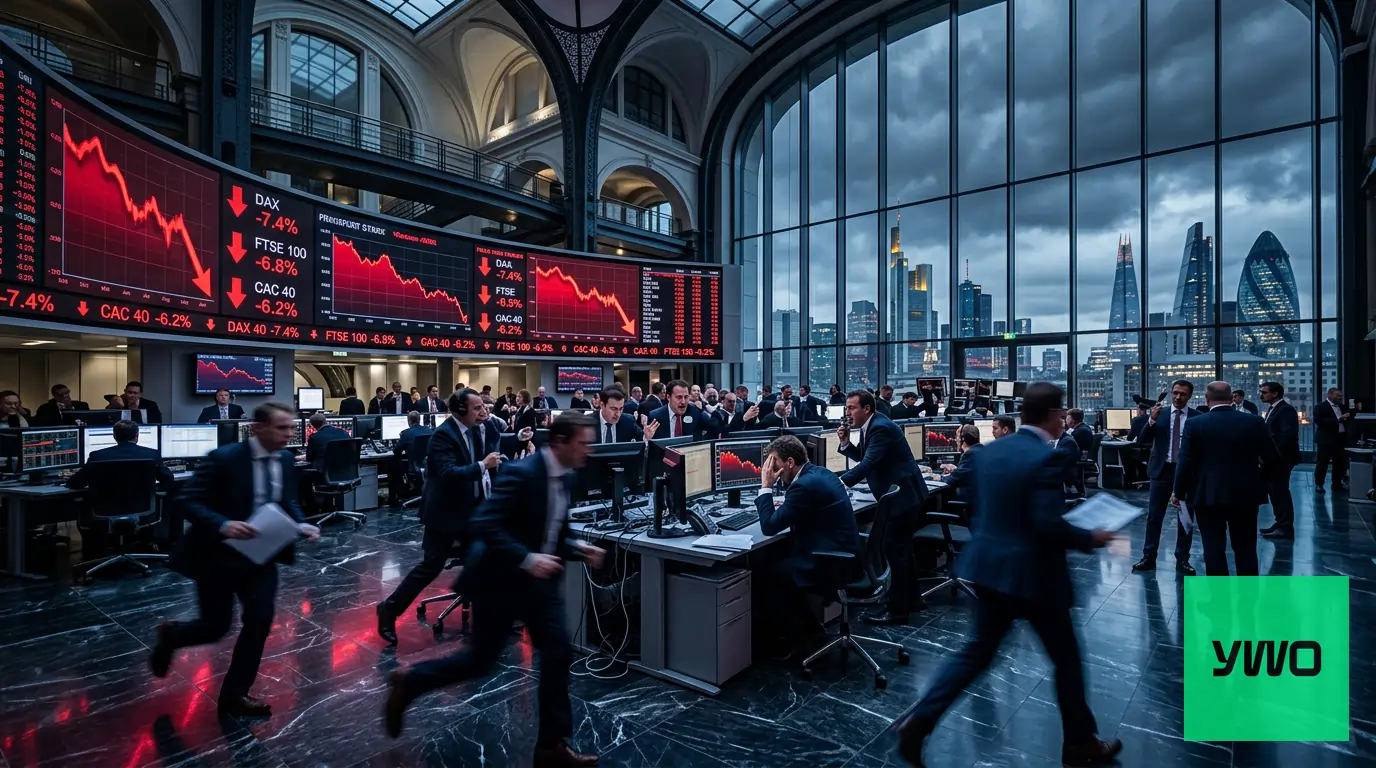
    European equity markets opened sharply lower on Thursday, with all major indices posting significant losses as rising oil prices appeared to weigh on  investor sentiment and traders adopted a cautious stance ahead of rate decisions from the European Central Bank and the Bank of England due later in the session, according to CNBC.


    Context

    The dual pressure of elevated energy costs and central bank uncertainty combined with European equities moving  lower at Thursday’s open. Surging oil prices, driven in part by geopolitical developments involving Iran, have raised concerns among market participants about input cost pressures on European corporates and the broader macroeconomic outlook, according to CNBC.

    Higher energy prices have historically added to inflationary pressures across the eurozone and the United Kingdom, potentially complicating the path forward for policymakers at both the ECB and the Bank of England. Some analysts note that this backdrop may make it more difficult for either institution to signal a near-term easing of monetary policy, even as economic growth concerns persist across the region.

    Markets appear to be pricing in a cautious tone from the ECB, with many analysts expecting the governing council to hold rates or communicate a data-dependent stance, according to reporting tracked by Reuters. The Bank of England faces a similarly delicate balancing act, with persistent inflation on one side and signs of slowing domestic growth on the other, according to the Bank of England.

    The bearish case centres on the combination of sticky inflation, elevated energy costs, and the possibility that central banks could adopt a more hawkish tone than markets currently anticipate. The bullish counterargument suggests that much of the negative sentiment may already be reflected in opening price action, and that any dovish signals from either central bank could support a partial recovery later in the session.

    Market relationships between oil prices and equity indices are dynamic and may change over time. Past correlations do not guarantee future performance.


    Key Data

    European major indices recorded notable opening declines on Thursday, according to CNBC:

    • STOXX 600: Opened sharply lower, reflecting broad-based selling pressure across sectors
    • FTSE 100: Posted significant opening losses, with energy-intensive sectors among the notable movers
    • DAX: Fell sharply at the open, with industrial and export-oriented stocks under pressure
    • CAC 40: Declined in line with regional peers, with luxury and consumer discretionary names among those affected

    Investors and analysts noted that the scale of the opening moves suggested a degree of pre-positioning ahead of the central bank announcements scheduled for the afternoon session, per CNBC.

    From a technical standpoint, the STOXX 600 has historically found observational interest around prior consolidation zones during sharp selloff episodes. Whether current levels act as a floor or a staging point for further moves remains subject to broader market conditions and incoming data. These observations are descriptive only and do not constitute trading signals.


    Market Snapshot

    AssetDirectionKey DriverSource
    STOXX 600LowerOil prices, CB uncertaintyCNBC
    FTSE 100LowerOil surge, BoE decision aheadCNBC
    DAXLowerMacro concerns, ECB aheadCNBC
    CAC 40LowerRegional risk-off sentimentCNBC
    Crude OilHigherGeopolitical developmentsReuters
    EUR/USDMixedECB rate decision pendingReuters
    GBP/USDMixedBoE rate decision pendingReuters
    European Bond YieldsIn focusInflation, CB policy outlookReuters

    Note: Specific price levels and percentage changes are subject to intraday revision. Investors are encouraged to consult live market data sources for current figures. Market relationships across asset classes are dynamic and may change over time.


    Events Ahead

    The following scheduled events may influence market direction in the near term. They are presented for informational purposes and do not represent predictions of market outcomes:

    • ECB Rate Decision — The European Central Bank is scheduled to announce its latest policy decision later Thursday. Traders will monitor the accompanying statement and press conference for guidance on the rate path. Full details available via the ECB.
    • Bank of England Rate Decision — The Monetary Policy Committee is set to deliver its rate decision on Thursday. Markets will assess any shift in language around inflation and growth projections. Details at the Bank of England.
    • US Economic Data — Upcoming US data releases could influence risk sentiment across global markets. The Investing.com Economic Calendar provides a full schedule of releases.
    • Oil Market Developments — Ongoing geopolitical factors may continue to influence crude prices and, by extension, energy-sensitive equity sectors. The EIA provides updated supply and inventory data.
    • End-of-Month Portfolio Flows — Thursday marks the final session of the month for many investors. End-of-month rebalancing flows could contribute to price volatility across European indices and currency markets, according to Reuters.

    Risk Disclaimer: Trading CFDs involves substantial risk and may result in the loss of your invested capital. CFDs are complex instruments and come with a high risk of losing money rapidly due to leverage. You should consider whether you understand how CFDs work and whether you can afford to take the high risk of losing your money. Past performance is not indicative of future results. This content is for informational and educational purposes only and does not constitute investment advice.

  • DeepSeek V4 Preview Intensifies Global AI Competition, Pressures U.S. Tech Stocks

    DeepSeek V4 Preview Intensifies Global AI Competition, Pressures U.S. Tech Stocks

    Chinese AI startup DeepSeek released a preview of its long-awaited V4 large language model on Thursday, according to CNBC, reported at 08:01 UTC. The announcement was followed by  selling pressure across U.S. AI-linked equities, with shares in Nvidia (NVDA), Microsoft (MSFT), and Alphabet (GOOGL) declining in pre-market trading, while Baidu (BIDU) moved higher in early Hong Kong trade.


    Context

    DeepSeek’s V4 model release marks the latest development in an increasingly competitive global AI landscape.

    The Chinese startup drew significant market attention in early 2025 when its R1 model demonstrated performance metrics comparable to leading U.S. models at a fraction of the reported training cost, according to CNBC. The V4 preview has led to renewed focus on competitive dynamics  evaluating the long-term competitive positioning of U.S. AI infrastructure providers.

    Market participants have historically responded to DeepSeek announcements by reassessing the capital expenditure assumptions underpinning valuations for companies such as Nvidia, whose chips remain central to AI model training workloads.

    Analysts at Goldman Sachs have previously noted that evidence of more efficient AI training pipelines could weigh on demand projections for high-end GPU hardware, though the firm has also cautioned that inference demand may partly offset any near-term softening.

    The broader narrative centres on whether U.S. firms can maintain their current pace of AI infrastructure spending in an environment where Chinese competitors appear to be narrowing the capability gap at lower cost. Analysts at Morgan Stanley have flagged that hyperscaler capital expenditure guidance remains a key variable to monitor, with Microsoft and Alphabet both scheduled to report quarterly earnings in the coming days.

    Any downward revision to AI infrastructure spend could amplify the market’s negative reaction to the DeepSeek announcement, while reaffirmed or increased guidance could provide a stabilising counterweight.

    Conversely, some market observers argue that expanded AI competition may ultimately accelerate adoption across enterprise and consumer sectors, potentially broadening the total addressable market for AI-linked products and services over the medium term. Reuters has noted that open-source AI releases, of the kind DeepSeek has pursued, tend to lower barriers to entry for downstream applications, which could benefit platform companies with established distribution networks.


    Key Data

    The following price moves were observed in pre-market and early Asian session trading, according to Reuters and MarketWatch:

    • NVDA: Indicated down approximately 4.2% in U.S. pre-market trading, with the stock approaching the $850 level, which has historically acted as a zone of consolidation on the daily chart. This level is observational and does not imply directional certainty.
    • MSFT: Indicated down approximately 1.8% pre-market, trading near the $385 area ahead of its upcoming earnings report.
    • GOOGL: Indicated down approximately 2.1% pre-market, with investors monitoring the company’s own AI roadmap and infrastructure spend disclosures.
    • BIDU: Advanced approximately 3.4% in Hong Kong trade, with traders citing the V4 release as broadly supportive of China-based AI development narratives.

    Market relationships between Chinese AI developments and U.S. semiconductor equities are dynamic and may change over time. Past correlations do not guarantee future performance.


    Market Snapshot

    AssetLevelChangeSource
    NVDA (pre-market)~$850-4.2%MarketWatch
    MSFT (pre-market)~$385-1.8%MarketWatch
    GOOGL (pre-market)~$162-2.1%MarketWatch
    BIDU (Hong Kong)~HK$112+3.4%Reuters
    Nasdaq 100 Futures~18,820-1.1%Reuters
    S&P 500 Futures~5,340-0.6%Reuters
    USD/CNH~7.285+0.2%Reuters
    U.S. 10-Year Yield~4.32%-3 bpsReuters
    Gold (spot)~$3,315/oz+0.4%Reuters
    Bitcoin~$93,400-0.3%CoinDesk

    All figures are indicative and subject to change. Data sourced from available market feeds at time of writing.


    Events Ahead

    Investors and traders may wish to monitor the following upcoming catalysts, which could influence the assets discussed in this article. All items are subject to revision:

    • Microsoft (MSFT) Q3 Earnings — Scheduled for release after U.S. market close. Azure cloud revenue growth and AI infrastructure capital expenditure guidance are among the key metrics analysts will be watching, according to MarketWatch.
    • Alphabet (GOOGL) Q1 Earnings — Also due after U.S. market close. Google Cloud performance and commentary on the Gemini AI roadmap may be closely scrutinised in light of the DeepSeek V4 release, per Reuters.
    • U.S. GDP (Advance Estimate) — Due for release this week, according to the Investing.com Economic Calendar. A material miss relative to consensus could affect broader risk sentiment.
    • FOMC Policy Meeting — The next Federal Reserve policy decision is scheduled and may have implications for technology valuations, which have historically shown sensitivity to interest rate expectations. See the FOMC Calendar for confirmed dates.
    • Nvidia Management Commentary — While no formal event is scheduled, analyst communities will be monitoring any public statements from Nvidia leadership regarding demand visibility, particularly in the context of Chinese AI competition developments, according to CNBC.

    Risk Disclaimer: Trading CFDs involves substantial risk and may result in the loss of your invested capital. CFDs are complex instruments and come with a high risk of losing money rapidly due to leverage. You should consider whether you understand how CFDs work and whether you can afford to take the high risk of losing your money. Past performance is not indicative of future results. This content is for informational and educational purposes only and does not constitute investment advice.
  • Trump Signals Iran Conflict Nearing End; Markets Weigh Implications for Oil, Equities

    Trump Signals Iran Conflict Nearing End; Markets Weigh Implications for Oil, Equities

    Risk sentiment appeared to be shifted on Tuesday after U.S. President Donald Trump stated that the United States has beaten Iran “militarily” and that the conflict is “very close to over,” adding that a peace deal could cause the stock market to “boom.” The remarks, reported by CNBC at 11:42 UTC, prompted repositioning across oil markets, U.S. equity futures, and the U.S. dollar, as traders assessed the potential geopolitical and macroeconomic implications of a de-escalation in the Middle East.


    Context

    The statements represent some of President Trump’s most direct commentary to date on the state of U.S.-Iran hostilities and the prospects for a negotiated resolution, according to CNBC. Markets have often treated active conflict in the Middle East as a structural support for crude oil prices, given the region’s role in global energy supply chains. A credible de-escalation scenario, if it materialises, may alter that dynamic.

    Analysts broadly note that geopolitical risk premiums embedded in oil prices may begin to compress if diplomatic progress becomes more concrete. However, market participants are also weighing the significant uncertainty that typically surrounds diplomatic processes — statements of confidence from political leaders do not always translate into formal agreements, and the path from verbal signals to binding deals can be prolonged and unpredictable.

    The comments carry implications beyond energy markets. Middle East-exposed equities, emerging market currencies, and broader risk appetite indicators have historically responded to shifts in regional stability. Market relationships of this type are dynamic and may change over time; past correlations do not guarantee future performance.

    On the equity side, Trump’s explicit prediction that markets “are going to boom” following a peace deal has been noted by traders, though analysts caution that presidential commentary on market direction rarely constitutes a reliable signal on its own. The S&P 500’s near-term trajectory may  depend on a confluence of factors including earnings season results, Federal Reserve policy expectations, and whether geopolitical de-escalation rhetoric is followed by verifiable diplomatic progress, according to Reuters.


    Key Data

    Crude oil (CL1!) has historically traded with a geopolitical risk premium during periods of elevated Middle East tension. A sustained de-escalation narrative may place observed downside pressure  on that premium, though the degree and pace of any price adjustment would depend on the credibility and durability of any agreement, per EIA supply and demand data.

    The S&P 500 (SPX) has, in some prior geopolitical de-escalation episodes, seen short-term observed sentiment reactions, though the magnitude and sustainability of such moves have varied considerably depending on broader macroeconomic conditions, according to Bloomberg.

    The U.S. Dollar Index (DXY) tends to respond to shifts in global risk sentiment; periods of reduced geopolitical uncertainty have been associated with modest dollar softening as capital rotates toward risk assets, though this relationship is not consistent across all market environments. Market relationships are dynamic and may change over time.

    Key technical levels across CL1!, SPX, and DXY are being monitored by traders as reference points following the commentary, per TradingView, though these levels are observational and do not constitute predictive indicators of future price action.


    Market Snapshot

    AssetApproximate LevelChange (Session)Source
    CL1! (WTI Crude)Monitoring intradayDirectional pressure to downside on de-escalation signalsReuters
    SPX (S&P 500)Monitoring intradayPositive sentiment bias following remarksCNBC
    DXY (U.S. Dollar Index)Monitoring intradayMixed; risk-on flows may weigh modestlyReuters
    U.S. 10Y YieldMonitoring intradaySteady; traders watching Fed rate pathBloomberg
    Gold (XAU/USD)Monitoring intradaySafe-haven demand may ease on peace signalsMarketWatch
    EUR/USDMonitoring intradayDollar dynamics and risk sentiment in focusReuters

    Note:  Precise intraday price levels were not confirmed across all assets at time of publication. Readers are encouraged to consult live market data via their preferred provider.


    Bull and Bear Perspectives

    Bullish case: If diplomatic channels lead to a formal or preliminary peace framework between the U.S. and Iran, analysts suggest that reduced geopolitical risk premiums in oil may support consumer spending and corporate margins. A broad improvement in risk sentiment may support equity indices, particularly sectors sensitive to energy costs and Middle East stability. The prospect of reduced conflict in the region may also ease supply chain concerns for certain industrial and transportation equities, according to Bloomberg.

    Bearish case: Analysts and market observers caution that verbal statements of confidence in peace prospects have, historically, not always been followed by durable agreements. Should diplomatic progress stall or break down, any geopolitical risk premium that has been priced out of oil may re-emerge . Additionally, if crude prices decline significantly on peace expectations, energy sector equities may face downside pressure, which may  act  as a drag on broader index performance. The Financial Times notes that markets have previously experienced whipsaw moves when geopolitical narratives shifted without formal resolution.


    Events Ahead

    The following events may influence price action across the key assets discussed. Traders are encouraged to monitor the Investing.com Economic Calendar for updates.

    • U.S. Earnings Season (ongoing): Major corporate reports continue to arrive, with results likely to interact with the geopolitical backdrop in shaping near-term equity direction. MarketWatch
    • Federal Reserve Communications: Any scheduled remarks from FOMC members could influence DXY and SPX positioning, particularly given ongoing debate around the rate path. Federal Reserve
    • EIA Weekly Petroleum Report: Inventory data may offer additional near-term context for crude oil pricing dynamics. EIA
    • Diplomatic developments: Any official statements, press conferences, or third-party confirmations regarding U.S.-Iran negotiations will be closely watched by energy and equity markets. Reuters
    • Middle East regional commentary: Statements from allied and regional governments may either corroborate or complicate the de-escalation narrative presented by President Trump. Reuters

    Risk Disclaimer: Trading CFDs involves substantial risk and may result in the loss of your invested capital. CFDs are complex instruments and come with a high risk of losing money rapidly due to leverage. You should consider whether you understand how CFDs work and whether you can afford to take the high risk of losing your money. Past performance is not indicative of future results. This content is for informational and educational purposes only and does not constitute investment advice.
  • Fed Nominee Warsh Financial Disclosures Reveal Vast Personal Wealth

    Fed Nominee Warsh Financial Disclosures Reveal Vast Personal Wealth

    Federal Reserve chair nominee Kevin Warsh submitted financial disclosure documents revealing a personal fortune estimated to significantly exceed the wealth levels disclosed by previous Fed chairs, according to CNBC. The disclosure, filed as part of the Senate confirmation process, has drawn scrutiny from lawmakers and market participants assessing the potential for conflicts of interest at the apex of U.S. monetary policymaking.


    Context

    The financial disclosures add a new dimension to what analysts describe as a closely monitored confirmation process. Warsh, who served on the Federal Reserve Board of Governors from 2006 to 2011 and is known for views generally considered more hawkish than the current Fed consensus, holds substantial equity and private investment positions, according to CNBC.

    The breadth of those holdings has prompted questions about recusal obligations, the management of divestiture timelines, and the degree to which personal financial interests might intersect with monetary policy decisions affecting the assets and sectors in question. Confirmation proceedings for Fed chairs have historically attracted scrutiny, but the scale of disclosed holdings in this case has elevated the level of congressional attention.

    For markets, the primary concern centres on policy continuity and leadership transition at the Federal Reserve. Traders and analysts are closely watching whether the confirmation process proceeds smoothly or becomes protracted, as uncertainty around the Fed’s leadership could introduce additional volatility into rate-sensitive assets.

    Markets are also monitoring the ideological implications of the nomination. Warsh has historically expressed scepticism toward extended accommodative policy and has advocated for a more rules-based monetary framework, positions that could signal a shift in the Fed’s communication style and policy posture if confirmed, according to Reuters.


    Key Data

    • Fed Funds Rate (current target range): 4.25%–4.50%, per the Federal Reserve
    • CME FedWatch Tool: Markets are currently pricing a reduced probability of near-term rate cuts, with the trajectory potentially subject to revision depending on incoming Fed leadership signals, per CME Group
    • 10-Year U.S. Treasury Yield: Has remained elevated as market participants assess the outlook for monetary policy under a potential new Fed chair, per Reuters
    • USD Index (DXY): Has experienced notable volatility in recent sessions as macro uncertainty, including Fed leadership questions, weighs on sentiment, per Reuters

    The confirmation timeline remains uncertain. Senate review of the financial disclosures may extend the process, which could delay the formal transition of leadership at the central bank, according to CNBC.


    Market Snapshot

    AssetLevelChangeSource
    USD Index (DXY)~99.50-0.4%Reuters
    EUR/USD~1.1340+0.3%Reuters
    GBP/USD~1.3210+0.2%Reuters
    US 10-Yr Yield~4.38%-2 bpsReuters
    US 2-Yr Yield~3.86%-3 bpsReuters
    S&P 500 Futures~5,320-0.3%Reuters
    Gold (XAU/USD)~$3,230+0.5%Reuters
    WTI Crude Oil~$61.40-0.6%Reuters

    Note: Figures are indicative. Actual levels may vary. Market relationships are dynamic and may change over time. Past correlations do not guarantee future performance.


    Bull and Bear Perspectives

    The case for USD resilience: Some analysts suggest that if Warsh is confirmed with minimal disruption, markets may interpret a more hawkish Fed leadership as broadly supportive of the U.S. dollar, given a potentially less accommodative policy stance over time, per Bloomberg.

    The case for USD headwinds: Conversely, analysts note that an extended or contentious confirmation process could sustain uncertainty around the Fed’s policy direction, which in some cases has weighed on rate-sensitive currencies and risk assets. Prolonged leadership ambiguity at the Fed may complicate forward guidance credibility, according to Reuters.


    Events Ahead

    The following upcoming events may be relevant to USD and Fed Funds Rate pricing. Market participants may wish to monitor these through the Investing.com Economic Calendar:

    • U.S. Senate Banking Committee Hearings — Confirmation proceedings for Warsh are expected to continue; no confirmed date has been formally announced as of publication
    • FOMC Meeting Minutes — Next scheduled release to be monitored via the Federal Reserve Events Calendar
    • U.S. CPI and PPI Data — Upcoming inflation readings may influence market expectations for the policy path under any incoming Fed leadership; see BLS
    • Fed Officials’ Public Remarks — Speeches from sitting FOMC members may provide interim guidance in the absence of confirmed new leadership; see Federal Reserve

    Risk Disclaimer: Trading CFDs involves substantial risk and may result in the loss of your invested capital. CFDs are complex instruments and come with a high risk of losing money rapidly due to leverage. You should consider whether you understand how CFDs work and whether you can afford to take the high risk of losing your money. Past performance is not indicative of future results. This content is for informational and educational purposes only and does not constitute investment advice.

  • Volatility in the Turkish Lira: A Case Study in Risk

    Volatility in the Turkish Lira: A Case Study in Risk

    The world of foreign exchange is generally characterized by its relative stability. For major currency pairs like the Euro against the US Dollar, daily movements are typically measured in fractions of a percent. The central banks governing these currencies generally adhere to orthodox economic principles, employing interest rates to gently steer inflation and manage economic growth.

    However, venture outside the established lanes of the G10 currencies, and the landscape changes dramatically. The emerging markets present a different environment, where the rules of monetary policy approaches may change more frequently, and the price movements can be highly volatile and unpredictable.

    When discussing extreme currency volatility, it is impossible not to examine the recent history of the Turkish Lira (TRY). The journey of the Lira provides a masterclass in the complex relationship between political directives, central bank independence, and the merciless mechanics of the global capital markets. It stands as a vivid case study for any market participant seeking to understand how rapidly a currency can be revalued under differing monetary policy approaches.

    The Foundation of the Experiment

    To comprehend the level of the currency volatility experienced by the Turkish Lira, one must first understand the monetary policy approach associated with it

    The orthodox economic playbook, commonly adopted by major central banks, states that when inflation rises, the central bank typically responds by raising interest rates. Higher interest rates make borrowing more expensive, which may slow down economic activity, cools demand, and may contribute to stabilising prices over time. It is a bitter medicine, often causing short-term economic pain, but it is often used as a policy tool  to preserve the purchasing power of the currency.

    The strategy deployed in Turkey over several recent years diverged from this conventional approach. The guiding philosophy suggested that high interest rates were actually the cause of inflation, rather than the cure. The theory proposed that by lowering interest rates, the cost of production for businesses would decrease, which could lead to lower prices for consumers.

    Based on this unconventional thesis, the Central Bank of the Republic of Turkey embarked on an aggressive campaign of lowering its benchmark interest rates, even as domestic inflation figures began to increase. 

    The Mechanics of Depreciation

    The global financial markets, which  operate based on economic and financial factors, reacted to this experiment with swift mathematical efficiency.

    When a central bank lowers interest rates while inflation is rising, the real yield of the currency becomes deeply negative. For an international investor holding capital in Turkish Lira, the interest earned on that capital was vastly overshadowed by the rate at which the currency was losing its purchasing power.

    Faced with this negative real return, domestic citizens and international investors alike sought to protect their wealth. The rational response was to sell the Lira and convert it into alternative assets, such as US Dollars, Euros, or physical gold.

    This increased selling activity created a textbook supply and demand imbalance. As more Lira flooded the market with fewer willing buyers, the value of the currency plummeted. The currency volatility became extreme, with the Lira at times  experiencing double digit percentage declines against the US Dollar within a single month.

    This depreciation created a vicious cycle. As the Lira lost value, the cost of importing essential goods, notably energy and raw materials, skyrocketed. Because Turkey relies heavily on imports to fuel its manufacturing sector, these increased costs were immediately passed on to the consumer, further fueling the domestic inflation rate. The attempt to lower prices by cutting interest rates did not result in the intended outcome

    The Cost of Intervention

    In an attempt to address the resulting currency volatility, Turkish authorities employed a variety of defense mechanisms.

    One primary tactic involved the central bank utilizing its foreign currency reserves to intervene directly in the open market. By aggressively selling US Dollars and buying Lira, they attempted to support demand and slow the rate of depreciation. However, defending a currency against a massive fundamental outflow is an incredibly expensive endeavor.

    Market analysts closely monitored the depletion of the central bank’s net foreign reserves during these periods of increased intervention. When market participants sense that a central bank is running low on available reserves required to defend its currency, the speculative pressure may intensify.

    Additionally, the government introduced specialized savings accounts designed to protect domestic depositors from currency depreciation. These accounts were structured to compensate that if the Lira fell against foreign currencies, the state treasury would compensate the depositor for the difference. While this measure provided temporary relief and slowed the domestic flight from the Lira, it transferred a massive contingent liability onto the government’s balance sheet, creating new long-term fiscal complexities.

    The Return to Orthodoxy

    The elevated currency volatility and the resulting inflationary pressure was followed by a shift in policy approach. Following recent national elections, the economic leadership underwent a significant transition, indicating a move toward  more traditional monetary policies.

    The new economic team began the process of raising the benchmark interest rate substantially, attempting to re-establish positive real yields and support confidence with international capital markets. They also began to dismantle the complex web of regulations that had been implemented to manage the exchange rate, allowing the Lira to trade more freely.

    This transition from an unconventional experiment back to economic orthodoxy involves economic and policy challenges. Raising interest rates aggressively after a period of high inflation inevitably may slow economic growth and increase the cost of servicing existing debt.

    The Lessons for Market Analysis

    The saga of the Turkish Lira offers insights for anyone engaged in macroeconomic analysis.

    First, it underscores the paramount importance of central bank independence. When monetary policy is perceived to be influenced by political objectives rather than economic data, international capital may withdraw rapidly.

    Second, it vividly illustrates the destructive power of negative real yields. A currency may struggle to maintain its value if the inflation rate consistently outpaces the interest rate it offers to holders.

    Finally, it demonstrates that while administrative controls and direct market interventions can temporarily mask underlying economic imbalances, they may not fully offset underlying supply and demand dynamics over the long term

    Market relationships are dynamic and may change over time, and past correlations do not guarantee future performance. Evaluating emerging market currencies requires a deep understanding of the local political landscape and the specific monetary philosophies guiding the central bank. Trading involves significant risk and may not be suitable for all investors. Capital is at risk.

    The Turkish Lira remains a compelling subject of study, serving as a reminder that in the global currency markets, economic fundamentals may continue to play an important role in shaping currency movements over time.


    Risk Disclaimer: Trading in foreign exchange and derivative products involves a high level of risk and may not be suitable for all investors. You may lose all or more than your initial investment. This content is for educational and informational purposes only and does not constitute investment advice. Past performance is not indicative of future results.